
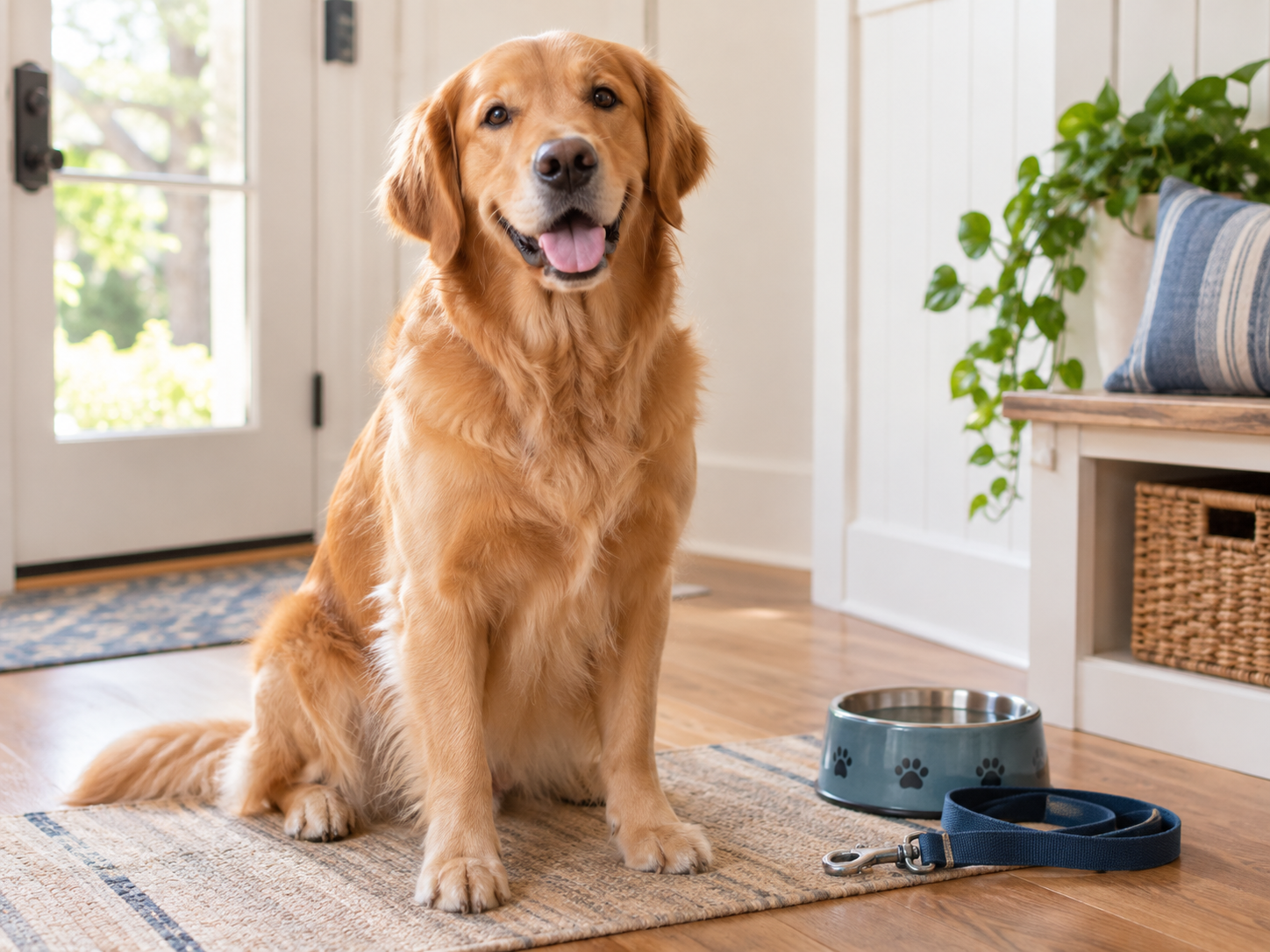
Pet Sitting
Provide scheduled drop-in care for pets in their own homes, following the owner’s written routine and sending a visit update.
Illustration: 24–80 30-minute drop-in visits/month at $25 per 30-minute drop-in visit. Before expenses and taxes; not an earnings forecast. Include preparation, marketing, administration, and travel where relevant.
Is This Business Right for You?
Provide scheduled drop-in care for pets in their own homes, following the owner’s written routine and sending a visit update.
What you’ll do
- Complete a meet-and-greet and assess whether the pet is a safe fit.
- Provide agreed feeding, fresh water, play, and litter or waste cleanup.
- Check the pet’s behavior and report concerns without making a diagnosis.
- Secure doors and gates, send an update, and confirm the next visit.
Skills and qualities that help
- Experienced with the species and temperament you accept.
- Able to work weekends or holidays when bookings require it.
- Reliable about time-sensitive care and backup arrangements.
- Comfortable protecting home access and client privacy.
Starter scope: This starter kit covers owner-home drop-in visits. Boarding, daycare, transport, injections, and other advanced services need separate competence, permissions, and coverage.
Choose What You’ll Offer
Start with one clear offer. Agree on what is included, what costs extra, the deadline or schedule, and payment and cancellation terms.
| Starter offer | Define it clearly |
|---|---|
| Standard drop-in | A defined visit length, pets covered, routine tasks, and an update. |
| Extended visit | Extra agreed time for play or care; quote extra pets separately. |
| Recurring schedule | Exact dates and visit windows, holiday fees, and cancellation terms. |
Review Your Startup Costs
Assumes you already own a phone and suitable transport. Owners supply their pets’ food, litter, and routine equipment. Insurance, screening, permits, and reserves are additional.
These USD allowances help you plan purchases; they are not current retailer quotes or the complete cost to open.
| Item | Planning allowance |
|---|---|
| Basic pet-care supplies and cleanup kit | $50–$130 |
| First-aid training and reference allowance | $50–$150 |
| Secure key storage, identification, and initial marketing | $40–$120 |
| Tools/setup subtotal only | $140–$400 |
| Registration, permits and professional review | Obtain local quotes |
| Insurance, required training and additional equipment | Obtain quotes for your scope |
| Working-capital reserve | Based on your monthly costs and available runway |
Treat software and subscription allowances as initial setup or first-month amounts unless stated otherwise; add later renewals to your monthly budget. List one-time and recurring expenses separately. Add all required costs and a reserve before deciding whether the business fits your budget. Avoid double-counting prepaid expenses.
Business-Specific Requirements
- Confirm local requirements and insurance for animals in your care, client-property damage, keys, and business travel.
- Use a service agreement and written pet-care instructions, including disclosure of bite or escape history.
- Complete appropriate pet first-aid and CPR training. Agree on emergency contacts, veterinary authorization, transport arrangements, and an owner-approved backup-care plan before accepting a booking.
- Ask the veterinarian how owner authorization and payment should be arranged; do not assume a form alone guarantees treatment.
Confirm applicable rules before accepting work. Requirements depend on your location, business structure, and exact services.
Pricing & Earnings
Allow time for travel, owner updates, cleanup, and scheduling. Price extra pets, holidays, and extra time explicitly. Route density matters: a 30-minute visit can use an hour including travel and administration.
Published guidance & pricing assumptions
Rover’s help center lists a standard 20% provider service fee, while noting U.S. pilot programs and regional differences. At 20%, a $25 booking leaves $20 before other costs. Confirm your actual account terms. The direct-booking example below does not include a Rover fee.
Monthly planning example
| Calculation | Amount |
|---|---|
| 40 × $25 per 30-minute drop-in visit | $1,000 gross |
| Assumed operating expenses | $250 |
| Remaining before owner compensation and taxes | $750 |
Expense totals are placeholders, not researched operating averages. Replace them with itemized insurance, software, platform/payment fees, travel, supplies, equipment costs, marketing, and other overhead. This remainder is not take-home pay. Demand and your capacity determine actual sales.
Tools & Resources
Prepare your working tools
- Phone, pet-care checklist, and emergency contacts.
- Waste bags, hand hygiene supplies, and species-appropriate equipment.
- Secure anonymous key tags and safe key storage.
- Scheduling, visit updates, invoicing, and documented backup care.
Prepare before your first client
- A clear scope, quote, payment process, and cancellation terms.
- A demonstration sample using fictional data or an authorized practice job.
- The intake and report forms below, customized to your service.
- A realistic schedule with time for preparation, follow-up, and administration.
How to Run the Business
Use the same documented process from inquiry through completion. These printable forms support your workflow; customize them before use.
Pet Care Intake & Emergency Plan
Record the client’s needs, scope, permissions, and practical arrangements.
Pet Sitting Visit Report
Document completed work, results, open questions, and the next step.
- Meet the owner and pet, review the routine, and decline care outside your skills or coverage.
- Confirm agreement, access, emergency authorization, vet arrangements, and backup coverage.
- Complete the agreed visit, clean hands and equipment between homes, and note changes. Follow the veterinary emergency plan promptly; do not delay urgent care while waiting for an owner to reply.
- Secure the property, send a factual update, and record the next visit and payment.
Where to Find Customers
Potential customers & referral partners
- Pet owners in a compact service area who need daytime or travel coverage.
- Veterinary offices and groomers willing to display approved information.
- Apartment and neighborhood communities with permitted noticeboards.
- Referrals from satisfied clients and other qualified pet-care providers.
Make your first connections useful
- Choose a focused customer type or service area.
- Show a relevant sample and explain the exact outcome and scope.
- Respond promptly with a clear next step and written quote.
- Track the source of inquiries and why prospects accept or decline.
How to Market Your Business
Ready-to-customize marketing content
| Referral Introduction | |
| Community Post | |
| Inquiry Follow-up | |
| Website & Flyer Copy | |
| Facebook Ad & Test Checklist |
Where to advertise
- Create an eligible service-area Google Business Profile; hide a home address if clients are not served there.
- Use Nextdoor business posts and permitted neighborhood groups.
- Consider Rover after reviewing your local fees, screening, and coverage terms.
- Ask permission before leaving flyers with groomers or veterinary offices; never share client travel dates.
Plan a small test
Start with permitted free promotion and referrals. If affordable, test one paid message with a fixed budget and end date. Track qualified inquiries and paying customers, not just clicks.
A $70, seven-day ad test is only an optional planning example. It is not a Meta minimum and does not guarantee leads. Review spending controls before publishing and stop at your planned limit.
Google Business Profile
If you meet customers in person, check Google’s eligibility and service-area rules. Hide your home address when customers are not served there; do not use a virtual office as a storefront.
Use approved business posts and advertising channels. Do not list services as ordinary Facebook Marketplace items.
Learn How to Place a Facebook Ad
Use Meta’s beginner lesson, then customize the ad and test checklist for your own business.
Your 30-Day Launch Plan
Use days 29–30 to review results and plan next month. Extend this schedule if training, permissions, insurance, or service readiness takes longer. Start paid work only when you can deliver competently. Advertising is optional and does not guarantee customers.
Rover: service fees · Pet Sitters International: veterinary authorization · PSI: professional standards · SBA: business setup · Google: Business Profile eligibility
U.S.-oriented educational blueprint. Published platform fees and rules are separated from illustrative budgets and revenue calculations. Costs, requirements, platform policies, and results vary. No earnings guarantee. Customize templates before use.